

Even the strongest, healthiest trees can develop weak spots over time. Heavy limbs, storm damage, or multiple trunks can make a tree unstable — and at risk of breaking. That’s where cabling and bracing come in.
These techniques don’t harm the tree; they help it stay strong, balanced, and safe. Here’s how to tell when your tree might need extra structural support and how professional arborists use these methods to extend a tree’s life.
1. What Are Cabling and Bracing?
Cabling and bracing are support systems installed by certified arborists to reinforce weak trees.
- Cabling uses flexible steel or synthetic cables installed high in the canopy to limit movement between branches.
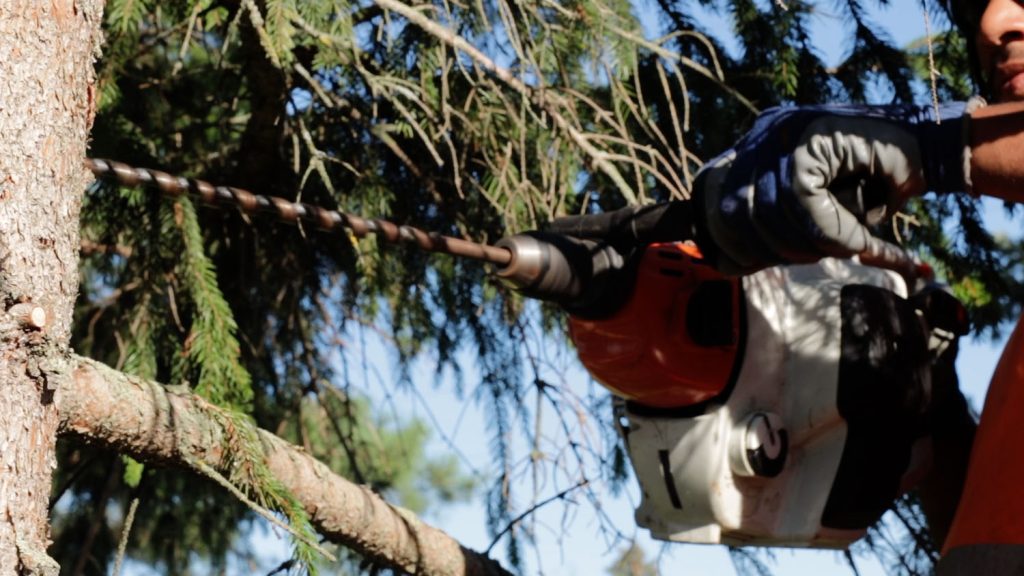
- Bracing uses threaded steel rods inserted through weak branch unions or trunks to hold them together.
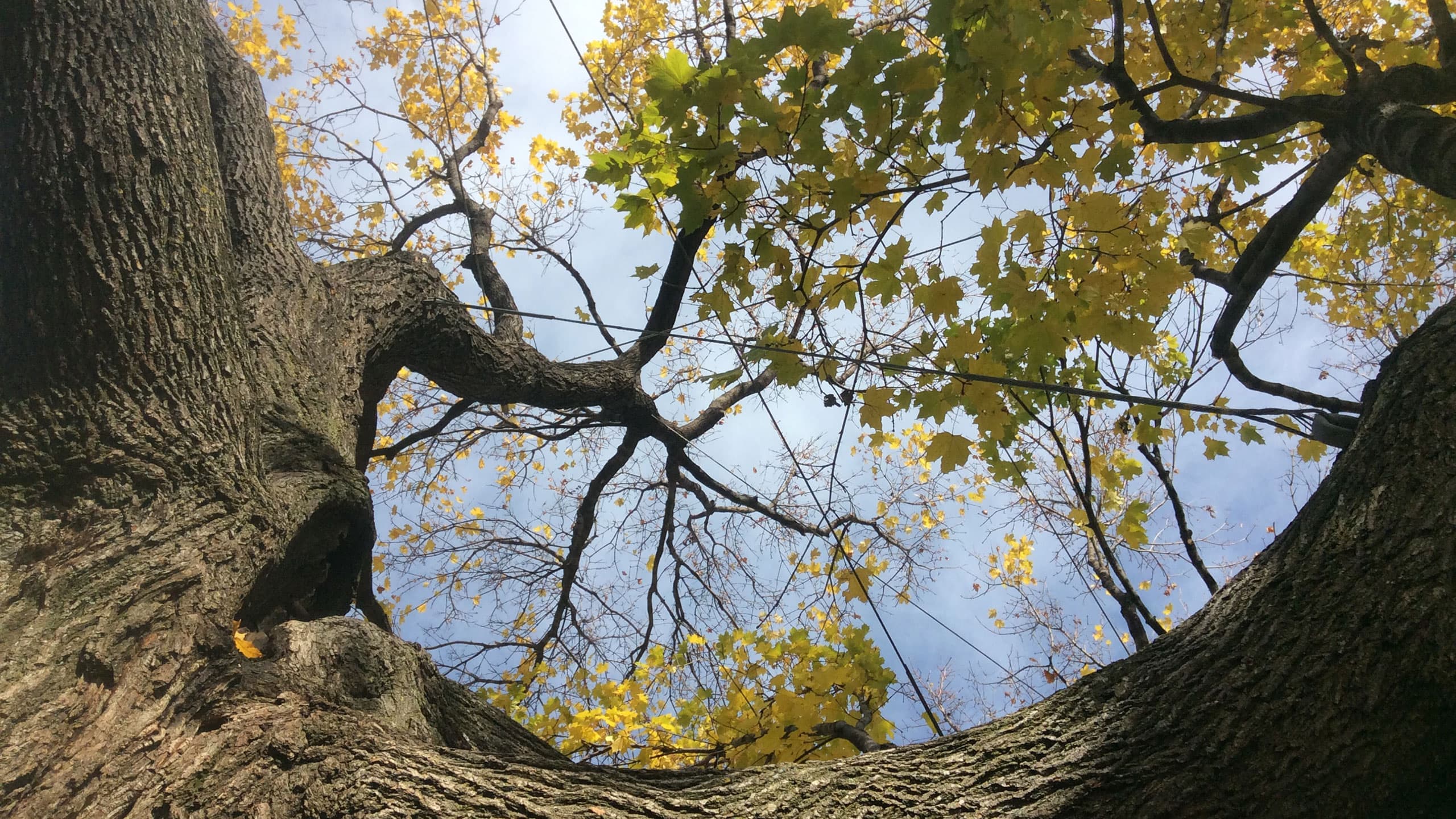
Together, they help reduce stress during high winds, ice storms, or heavy snow — all common in Ottawa and Eastern Ontario.
2. When a Tree Has Two or More Main Trunks (Co-Dominant Stems)
Trees that split into two main trunks often develop a weak joint where the stems meet. These “V-shaped” unions are more likely to crack or split under pressure, especially during storms.
Warning signs:
- Two large trunks growing from the same spot
- Bark included (a narrow ridge of bark between stems)
- Visible cracks or swelling at the junction
Installing cables high in the canopy helps distribute the weight evenly and prevent one trunk from splitting away from the other.
3. When Large Limbs Extend Too Far
Some trees develop long horizontal limbs that stretch far from the trunk, often over roofs, driveways, or walkways. These heavy branches can droop or break under their own weight — especially after rain or ice accumulation.
Common species with overextended limbs:
- Silver Maple
- Willow
- Elm
- Oak
Cabling provides tension support to these limbs, reducing the risk of failure while keeping the tree’s natural shape intact.
Tree Pruning can also help reduce weight on long branches before cables are installed.
4. After Storm Damage
Storms with strong winds or freezing rain often cause branches to crack or partially split.
Even if the damage isn’t severe enough to require removal, the tree may still be weakened.
Cabling and bracing can stabilize these areas, allowing the tree to heal naturally instead of losing major limbs.
Common post-storm repairs include:
- Installing rods to hold a split trunk together
- Adding cables to limit movement while the tree recovers
- Pruning damaged wood to prevent decay
5. When You Want to Preserve a Valuable or Historic Tree
Some trees are worth saving — for their age, shade, or sentimental value. Cabling and bracing often extend the life of trees that would otherwise need to be removed.
These systems are especially helpful for:
- Mature trees in public parks or heritage properties
- Large shade trees in front yards
- Memorial or family-planted trees
Arborists can inspect and maintain the system every few years to make sure the supports remain effective as the tree grows.
Tree Removal should only be a last resort when damage is beyond repair.
6. When There Are Signs of Weakness or Structural Stress
Sometimes, trees show early warning signs that they’re struggling to support themselves.
Look for these clues:
- Cracks where major branches meet the trunk
- Bark peeling back at a union
- Unusual leaning or shifting after storms
- Heavy upper limbs swaying excessively in the wind
If you notice any of these, call an arborist right away. Installing supports early can prevent major breakage and protect nearby structures.
7. Benefits of Cabling and Bracing
When installed properly, cabling and bracing:
- Reduce the risk of falling branches
- Extend the life of valuable trees
- Preserve natural shape and appearance
- Prevent property damage or injury
- Support recovery after damage
These systems don’t replace regular care — they complement it. Combined with pruning, soil care, and inspections, they keep trees healthy and stable for decades.
8. Professional Installation Matters
Cabling and bracing must be designed and installed by a certified arborist.
Improper installation can cause more harm than good — damaging live tissue or creating points of stress.
Arborists use specialized equipment to:
- Choose the correct cable type and placement height
- Drill cleanly through the wood without infection risk
- Secure hardware safely while allowing tree movement
- Reinspect every 2–3 years for adjustments
At Arboris, we follow ISA (International Society of Arboriculture) standards for every support installation to ensure safety, durability, and long-term tree health.
9. Keep Your Trees Safe and Standing
If you’ve noticed heavy branches, cracks, or weak joints, don’t wait until the next storm hits.
Cabling and bracing are proven, cost-effective ways to protect your trees and avoid expensive emergency removals.
Arboris offers:
- On-site inspections by certified arborists
- Structural assessments and reports
- Professional installation and maintenance
- Service across Ottawa, Casselman, Rockland, and Eastern Ontario
Keep your trees healthy, stable, and beautiful — with professional care that helps them stand strong for years to come.