
Trees in Eastern Ontario face many environmental challenges and tree Diseases, harsh winters, humidity, and a mix of native and introduced pests. These conditions make the region prone to several common tree diseases that can weaken, disfigure, or even kill trees if left untreated.
Knowing the early signs and calling a certified arborist can save your tree and prevent the problem from spreading to others nearby.
1. Anthracnose
Typical trees affected: Maple, Oak, Sycamore, Ash
What it looks like:
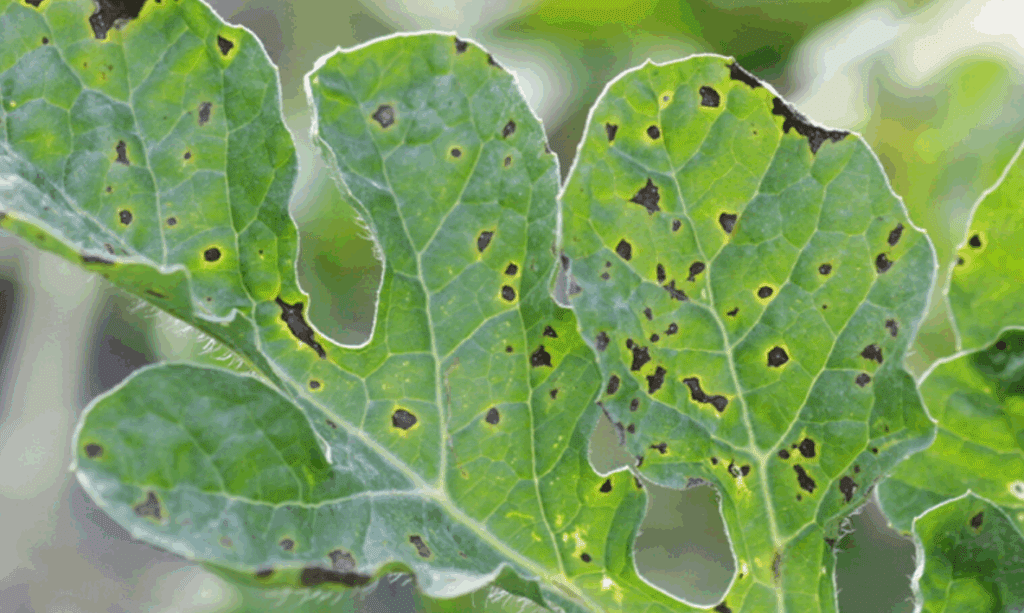
- Brown or black spots forming along leaf veins
- Early leaf drop in spring
- Twigs with small cankers or dead tips
Anthracnose is a fungal disease that thrives in cool, wet spring weather. It spreads quickly from fallen leaves and can reappear every year if debris isn’t removed.
What you can do:
- Rake and destroy infected leaves each fall
- Avoid overhead watering to keep foliage dry
- Schedule light pruning to improve air circulation
Tree Pruning helps prevent future outbreaks by thinning crowded branches and improving sunlight penetration.
2. Dutch Elm Disease (DED)
Typical trees affected: Elm species
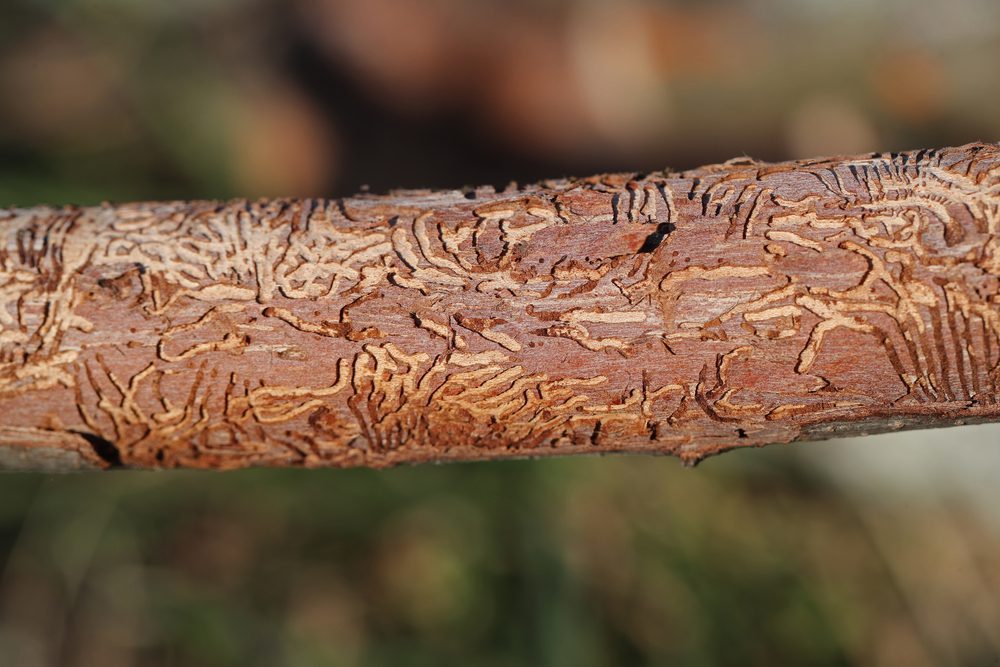
Dutch Elm Disease is one of the most destructive tree diseases ever introduced to North America.
It’s spread by bark beetles that carry fungal spores from infected trees to healthy ones.
Common signs:
- Leaves turning yellow and curling in summer
- Branches wilting and dying from the top down
- Brown streaks visible under the bark when peeled
In Eastern Ontario, municipalities and arborists monitor elm populations closely. Once infection is advanced, the tree usually must be removed to stop the spread.
Treatment and prevention:
- In early stages, trunk injections can protect uninfected trees
- Remove infected wood quickly — never store elm firewood
- Schedule regular inspections for mature elms
3. Tar Spot on Maple
Typical trees affected: Norway Maple, Silver Maple, Red Maple
Tar spot looks alarming but is mostly cosmetic. The fungus forms dark, round spots on leaves that resemble drops of tar. It doesn’t kill the tree, but it does reduce its appearance and can weaken leaves over time if ignored.
Symptoms:
- Small yellow spots that expand into black raised dots
- Clusters of black patches in late summer
- Heavy leaf drop before autumn
What to do:
- Collect and compost fallen leaves before winter
- Maintain tree vigor with watering during dry periods
- Avoid unnecessary fungicides — they’re rarely needed
Regular cleanups and good cultural practices usually keep tar spot under control.
4. Cytospora Canker
Typical trees affected: Spruce, Poplar, Willow
Cytospora is a fungal disease that attacks stressed trees, often after drought, root damage, or compacted soil. It causes branch dieback and resin flow on the trunk.
Signs of infection:
- Sunken, discolored areas on bark
- Sticky resin or sap oozing from cankers
- Dead branches starting from the lower canopy
Prevention and management:
- Prune infected branches during dry weather
- Disinfect pruning tools after each cut
- Water deeply during hot, dry months to reduce stress
A professional arborist can determine if the infection is limited to branches or if the trunk is compromised.
5. Apple Scab
Typical trees affected: Crabapple, Apple
Apple scab is a fungal disease common in ornamental crabapples around Ottawa neighborhoods. It causes premature leaf drop and unsightly dark patches on fruit.
Symptoms:
- Olive-green to black spots on leaves and fruit
- Leaves curling or falling off in early summer
- Reduced flowering and fruit production the next year

What helps:
- Rake and dispose of fallen leaves
- Prune to increase airflow and reduce humidity
- Choose resistant varieties when planting new trees
6. Root Rot
Typical trees affected: Spruce, Pine, Maple, Birch
Root rot is caused by fungi that thrive in wet or compacted soil. It often goes unnoticed until the tree begins to lean or die back from the top.
Warning signs:
- Mushrooms or fungal bodies growing around the base
- Soft or decayed wood near roots
- Sudden canopy thinning or leaf discoloration
Unfortunately, once root rot reaches the base, it’s often irreversible.
The best prevention is maintaining proper drainage and avoiding overwatering.
7. Needle Cast Diseases
Typical trees affected: Spruce, Fir, Pine
Needle cast fungi attack evergreen needles, causing them to yellow and fall prematurely. It’s especially common after wet, cool springs.
Symptoms:
- Yellow or brown needles starting from the lower branches
- Needles dropping one to two years after infection
- Thin or patchy canopy on one side
Management:
- Prune infected branches and clean up fallen needles
- Avoid watering the foliage directly
- Improve sunlight and airflow through selective thinning
Protecting Trees Year-Round
Tree diseases often start small and progress slowly.
Routine inspection and maintenance by an ISA Certified Arborist are the most effective ways to prevent serious infections.
How Arboris can help:
- Diagnose tree diseases early
- Perform safe and sanitary pruning
- Apply targeted treatments when possible
- Remove or replace severely infected trees
Healthy trees improve property value, shade, and safety.
If you notice unusual leaf drop, discoloration, or bark damage, schedule a visit with one of our arborists today.